
What a Contractor Website Needs to Turn a Visit Into a Call
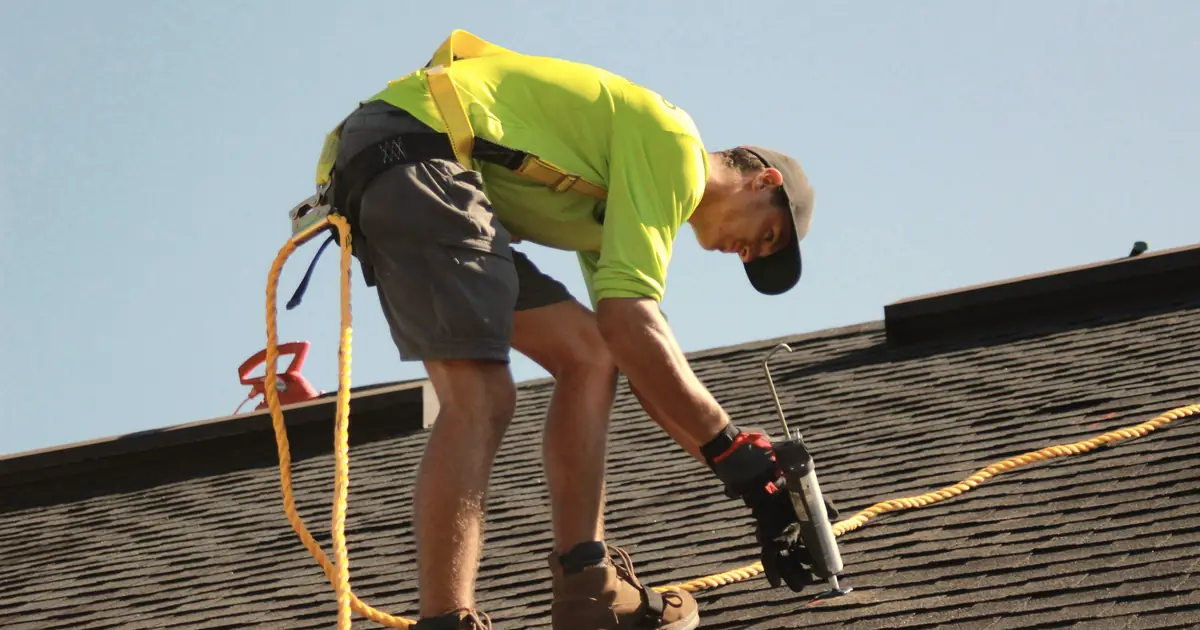
Somebody needs a roof patched, a deck rebuilt or a panel upgraded. They found your name on Google, on a yard sign or from a neighbor, and now they are on your website, usually on a phone, deciding whether to call you or the next name on the list.
That is the only moment a contractor website is built for. Everything on it either moves that person toward the call or gets in the way. Here is what a contractor website needs, in the order a homeowner runs into it.
A phone number you can call with one tap
Put the number at the top of every page, written out in full, and make it a real phone link so a tap starts the call. Repeat it at the bottom of every page and next to every button that says "call."
It sounds obvious, and it is easy to get wrong. A number that sits inside an image, or plain text that a phone does not recognize as a number, makes the visitor copy it by hand. Some of them will. The rest go back to the search results.
If you take texts, say so next to the number. If you answer the phone yourself, say that too. Both are reasons to call you instead of filling out a form and waiting.
The towns you work in
The first question a homeowner has is not "are they good." It is "do they come out here." Answer it near the top of the home page, with the names of the towns, not just "Fairfield County and surrounding areas."
If you work out of your house, Google asks service-area businesses to hide their address on the Business Profile and to keep the service area within about two hours of driving from where they are based (Google's guidelines). Do the same on the website: list the towns you serve, and leave your home street off the page.
One page for each service you want calls for
A roofer who also does gutters and siding should have a page for each, not one "Services" page with a bulleted list. There are two reasons.
The first is the person reading. Someone with a leaking gutter wants to see that you do gutters, what the job usually involves, and photos of gutters you have hung. A list item does not tell them any of that.
The second is search. Someone typing "gutter installation Danbury" has a better chance of landing on a page about gutter installation than on a page that mentions gutters once. Google describes relevance as how well a profile matches what someone is searching for (Google's local ranking tips), and the same logic carries over to the pages a profile sends people to.
Each service page needs the same three things: what the job is, where you do it, and how to get a quote for it.
Real photos of real jobs
A homeowner can usually tell a stock photo from a job photo. Your own photos, even from a phone, do the opposite. They show the work, the crew and the kind of house you usually work on.
What to take, on every job worth showing:
- The finished work, from far enough back to see the whole thing.
- One detail shot that shows how it was done: flashing, a joint, a clean edge.
- A before, when you remember to take one. It is what makes the after mean something.
Label each one with the town and the type of job. "Deck rebuild, Bethel" tells a visitor more than "Recent project" does.
Named, linked reviews
A good review on your own website does the convincing you are not there to do. It only works if it is believable, and believable means attributed: the customer's first name, their town, the job, and where the review was originally posted, with a link back to your Google Business Profile so anyone can check.
Use real reviews only, word for word. A short real one with a name on it beats a long polished one that nobody can trace. If you are short on reviews, that is worth fixing first, and there is a way to ask for Google reviews without being awkward about it.
License and insurance, where people can see them
Homeowners are letting a stranger into their house. Showing that you are registered and insured answers a question many of them will not ask out loud.
In Connecticut, the Home Improvement Act requires anyone making home improvements to state in any advertisement that they are registered and to include their registration number (Conn. Gen. Stat. § 20-427). If you are unsure how it applies to your business, the Department of Consumer Protection can tell you. Plumbers, electricians and other licensed trades have their own license numbers. Put yours in the footer of every page and on the about page, and say that you carry insurance if you do.
A homeowner can check that number on the state's eLicense lookup. Showing it up front tells them you expect to be checked, which is exactly the impression you want.
Fast on a phone with one bar of signal
A lot of these visits happen on a phone, in a driveway or a basement, on a weak connection. A page that takes long to show anything loses people before they read a word.
You do not need to be technical to check this. Open your own site on your phone, on cellular data instead of Wi-Fi, from somewhere with poor reception. Count how long it takes before you can read the first line and tap the number. If you get impatient, so does everyone else.
The usual causes are oversized photos and pages that load a lot of code the visitor never uses. A site built as finished pages, without a program assembling each page on every visit, avoids most of it.
One clear next step
Every page should end with the same question answered: what should I do now? For most contractors the answer is "call" or "request a quote," and the button should say exactly that.
Keep the quote form short. Name, phone, town and a sentence about the job is enough to call someone back. Every extra field is one more reason to close the page. Then check, every few months, that the form actually delivers to an inbox you read. A form that fails silently looks fine from the outside and costs you work you never hear about.
The same name, address and phone everywhere
Your business name, address and phone number should read exactly the same on your website, your Google Business Profile, your truck and every directory you are listed in. Google's own guidelines ask businesses to represent themselves the way they are consistently represented in the real world, across signage, stationery and other branding (Google's guidelines).
"Smith Roofing" on the truck, "Smith Roofing LLC" on Google and "Smith Roofing & Gutters" on the website are three names for one business. Pick one and use it everywhere. Do the same with the phone number, one number that you own on every listing, and with your hours, so nobody calls or drives over based on the version that was out of date.
If you have a profile but no site yet, here is why you need both, and how the profile decides whether you show up in the map results.
A contractor website checklist you can run tonight
Open your site on your phone and go down the list:
- Can you call from the top of the page with one tap?
- Do you see the towns you work in without scrolling far?
- Is there a page for each service you want more of?
- Are the photos yours, labeled with the town and the job?
- Are the reviews real, named and linked to where they came from?
- Is your license or registration number on the page?
- Can you read the first line quickly on cellular data?
- Does every page end with a clear button to call or request a quote?
- Do the name, phone and hours match your Google Business Profile exactly?
- Did your last test message from the form arrive?
If you are not sure how your Google profile and your site look side by side to a stranger, we will check them for you with the free Google profile audit.
If you want it built
Every contractor site we build is laid out around that list; you bring the photos, reviews and license number. It costs $1,995, paid once, and the site is yours from the day it goes live: the code, the content and the design. If you already have a site and want to know what is worth keeping, that is a different and smaller conversation.
Have questions? Get in touch and we will be happy to help.